Currently Empty: $0.00

Some supplements sound great until you try to use them every day. The real question is not whether black seed oil has a strong reputation – it does. The better question is: is black seed oil good daily for your body, your schedule, and your long-term routine?
For many adults, the answer can be yes, but not in a one-size-fits-all way. Daily use makes the most sense when the product is high quality, the dose is reasonable, and your goal is clear. If you are taking it randomly, doubling up, or expecting overnight results, daily use can quickly feel inconsistent or unnecessary.
Is black seed oil good daily for most adults?
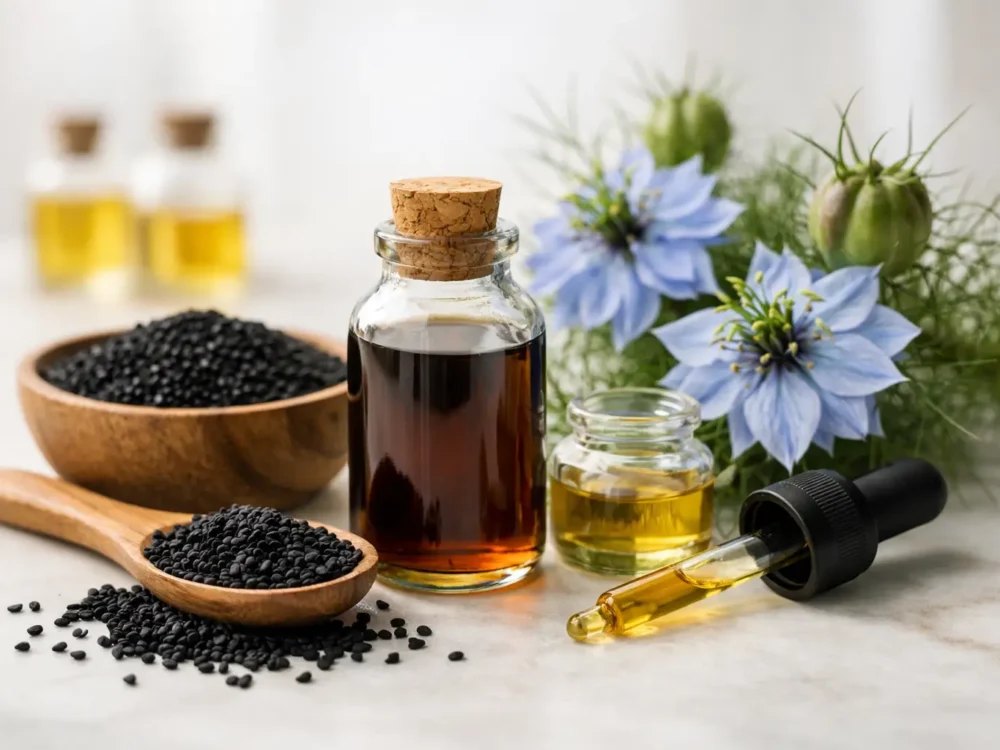
Black seed oil, typically made from Nigella sativa seeds, has been used for generations in traditional wellness practices. Today, it is often chosen for general immune support, antioxidant intake, digestive comfort, and overall wellness maintenance. Its best-known active compound is thymoquinone, which is one reason quality matters so much.
For generally healthy adults, black seed oil can fit into a daily supplement routine when used as directed. What makes it appealing is not just the ingredient itself, but the fact that it is available in formats that are easier to stick with, including liquid oil and softgels. That matters more than people think. A supplement only works as part of a routine if you will actually take it consistently.
That said, daily does not automatically mean better. Some people do well with a steady low-to-moderate intake. Others may prefer to use it in cycles or only during periods when they want extra support. Your age, medications, health status, and even how sensitive your stomach is can change the answer.
What daily black seed oil may help with
The reason black seed oil stays popular is simple – it covers several everyday wellness goals at once. People are rarely looking for just one narrow benefit. They want something practical that supports how they feel day to day.
Antioxidant support
Black seed oil is often valued for its antioxidant profile, especially due to thymoquinone. Antioxidants help the body manage oxidative stress, which is part of normal life but can increase with poor sleep, hard training, daily stress, and environmental exposure. This does not make black seed oil a cure-all, but it does explain why it shows up in so many routine wellness conversations.
Immune and seasonal wellness support
Many people take black seed oil daily because they want steady support rather than reactive support. Instead of waiting until they feel run down, they use it as part of a broader routine that may also include sleep, hydration, movement, and nutrient-dense food.
Digestive comfort
Some users find that black seed oil fits well into a digestive wellness routine. This is not universal, and tolerance varies, but for some adults it feels supportive when taken consistently and in sensible amounts.
General recovery and balance
If your routine already includes workouts, a busy work schedule, and too many meals on the go, supplements that support daily balance tend to earn a place quickly. Black seed oil is often chosen for that reason. It feels versatile, and for many people, versatility is exactly the point.
Why daily use works better for some people than others
The main advantage of daily use is consistency. Many natural supplements are not designed to feel dramatic in a single serving. They tend to work better when they are part of a stable routine over time.
But consistency only helps if the format matches your lifestyle. If you dislike the taste of oils, a liquid bottle may sit untouched after the first week. If you travel often or want something easy before work, softgels may be the more realistic choice. Convenience is not a small detail. It is often the difference between trying a product and actually benefiting from it.
This is one reason modern formats have become so important. A clean-label black seed oil softgel can make daily use simpler, cleaner, and easier to measure than guessing with a spoon. For busy professionals and fitness-focused adults, that level of convenience usually leads to better adherence.
How much black seed oil should you take daily?
This is where people often go wrong. They assume more oil means better results. Usually, the smarter move is to follow the product label and start on the lower end, especially if you are new to black seed oil.
There is no universal dose that fits every product because potency can vary. The concentration of active compounds, especially thymoquinone, may differ across brands and formulations. That is why purity, sourcing, and standardization are worth paying attention to.
If you are using a liquid, measure it carefully. If you are using softgels, stick to the serving guidance. A quality product should make this simple, not confusing. Clean ingredients, clear labeling, and routine-friendly dosing are all signs that the product was designed for real daily use.
Is black seed oil good daily if you are focused on performance?
It can be, especially if your version of performance is bigger than just gym output. For many adults, performance means steady energy, fewer routine disruptions, digestive comfort, and staying on top of a supplement plan without adding complexity.
Black seed oil is not a pre-workout and it is not a shortcut. What it may offer is broader wellness support that helps keep your foundation in place. That can matter if you train regularly, sweat often, or simply want your daily stack to feel purposeful instead of overloaded.
The best routine is usually the one you can repeat without friction. If black seed oil fits into that routine easily, daily use becomes much more practical.
When daily black seed oil may not be the right move
Even a well-liked natural supplement is not for everyone. If you are pregnant, breastfeeding, taking prescription medications, or managing a medical condition, it is smart to check with a qualified healthcare professional before using black seed oil daily.
Some people may experience stomach upset, especially if they start too aggressively or take it on an empty stomach. Others may notice that liquid oil is harder to tolerate than capsules. There is also the possibility of interactions with medications, including those related to blood sugar, blood pressure, or blood thinning.
This is where honesty matters. Daily use only makes sense if it is both useful and well tolerated. If your body is giving you pushback, forcing the routine is not a wellness win.
What to look for if you plan to take it every day
If you are considering daily use, product quality matters as much as the ingredient itself. Black seed oil should not be an impulse buy based on a trendy label alone.
Look for a product that emphasizes purity, clear sourcing, and practical dosing. If the oil is available in a format that matches your routine, even better. Softgels are often the easiest option for consistency, while liquid may appeal to users who prefer a more traditional format.
It also helps to choose a product from a brand that understands daily wellness habits, not just single-ingredient hype. Sterling Nutrition, for example, focuses on routine-friendly formats and clean product standards that make traditional wellness staples easier to use day after day.
Is black seed oil good daily long term?
For many healthy adults, it can be part of a long-term wellness routine, provided the product is high quality and the dose stays within the intended range. The bigger issue is not whether it can be taken daily, but whether it still makes sense for your goals after a few weeks or months.
Ask yourself whether you are using it with a purpose. Maybe you want everyday antioxidant support. Maybe you want a cleaner, simpler supplement lineup. Maybe you just want a wellness staple you can actually stay consistent with. Those are all reasonable reasons.
If, however, you are taking it out of habit with no clear benefit, it may be worth reassessing. Good routines are intentional. They are not built on guesswork or trend-chasing.
A smart daily supplement plan should feel sustainable, clear, and easy to repeat. Black seed oil can absolutely fit that standard for many people, but the best results usually come from choosing the right format, respecting the dose, and paying attention to how your body responds. If it fits your routine and you can stick with it comfortably, that is usually a far better sign than any bold claim on a label.